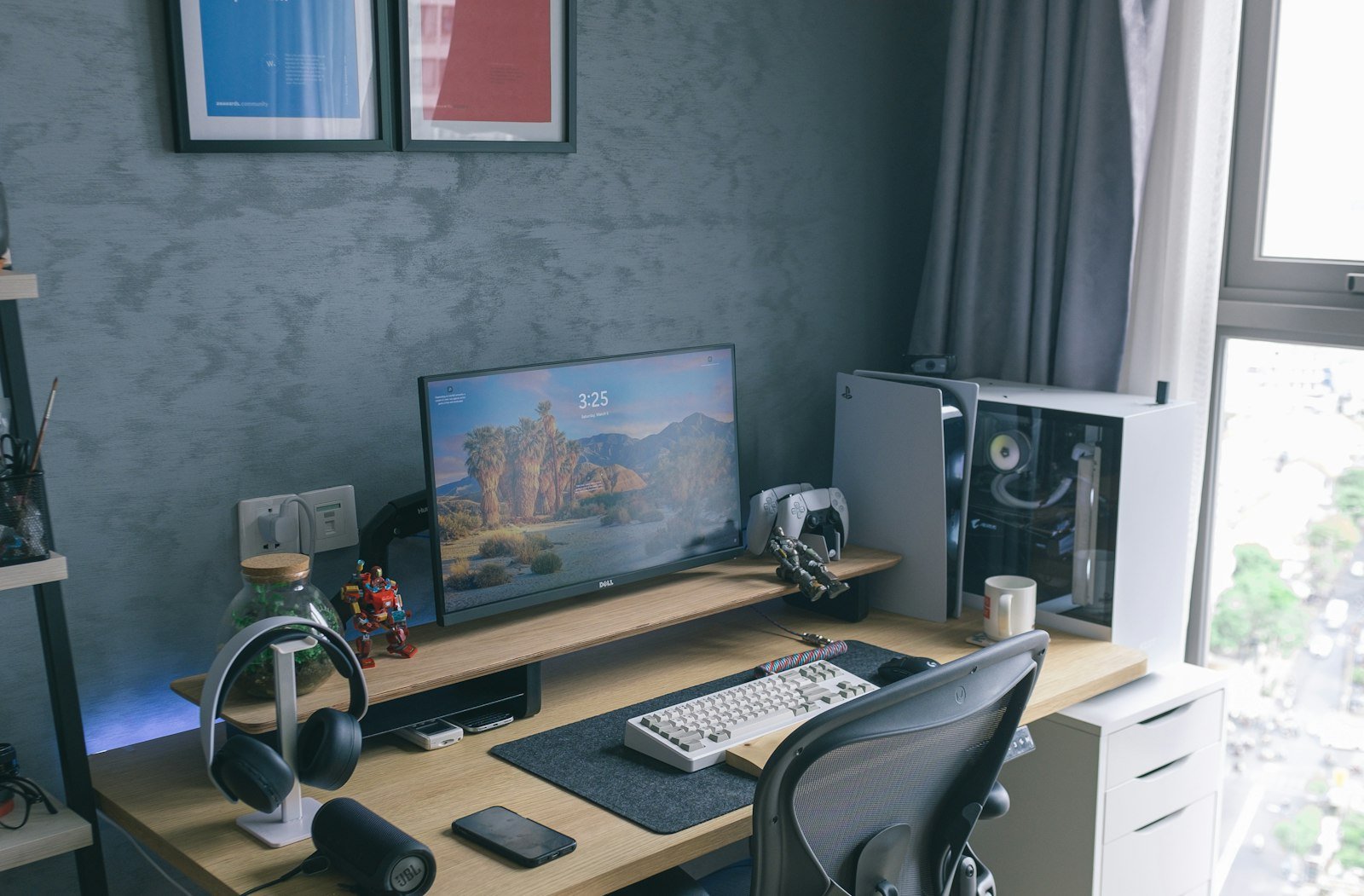
Own Your Corner: The Quiet Return of the Personal Website
Feeds are rented. Domains are owned. A growing number of people are deciding that difference matters more than reach.
For about fifteen years, the answer to “where do you put things on the internet?” was simple: a platform. You picked one, filled in a profile, and started posting. The platform handled the hosting, the audience, and the distribution — and in exchange, it kept the keys.
That trade is looking worse than it used to. Platforms change their algorithms, their policies, and occasionally their entire purpose. Accounts get suspended by automated systems with no meaningful appeal. Reach that took years to build evaporates in a product update. None of it was ever really yours.
So people are going back to something older: a domain, some hosting, and a site they control.
The platform is where you rent attention. The site is where you keep the work.
A sentiment increasingly common among independent writers
Why now
This isn’t nostalgia for the GeoCities era. Three things changed at once.
The tools got good
Publishing a site used to mean wrestling with FTP clients and hand-written HTML. Now a static site generator, a managed WordPress install, or a hosted platform gets you online in an afternoon. The technical barrier that once made personal sites a hobbyist pursuit has mostly dissolved.
The costs got small
A domain runs about the price of a couple of coffees per year. Hosting for a modest personal site is often free or close to it. The economics no longer argue against owning your own space.
The downsides of not owning got obvious
Every platform migration, every sudden policy shift, every “we’re sunsetting this product” email taught the same lesson. People who had a site of their own moved on. People who didn’t started over.

Rented versus owned
The distinction is easy to state and easy to underrate.
| Platform profile | Personal site | |
|---|---|---|
| Who sets the rules | The platform | You |
| Discovery | Built in, algorithmic | You have to earn it |
| Design control | A theme picker, maybe | Total |
| If it shuts down | Content is gone | Content is yours |
| Portability | Limited export, if any | Complete |
| Time to publish | Seconds | Minutes |
Note that the platform genuinely wins some of those rows. Reach is real, and pretending otherwise does nobody any favours.
What you gain and what you give up
What you gain
Permanence, full design control, no algorithm deciding who sees your work, and an archive that outlives any single company’s product roadmap.
What you give up
Built-in distribution. Nobody stumbles onto a personal site the way they stumble onto a viral post. You trade discovery for durability.
That trade-off is the whole decision, and it’s worth being honest about:
A personal site will almost certainly get less traffic than a platform account. It will also still exist in ten years, look exactly how you want, and never be reorganised by someone else’s growth team.
Starting one, practically
If you’re convinced, the path is short:
- Buy the domain first. It’s the only piece that’s genuinely hard to replace later. Your name is a safe default.
- Pick boring, durable hosting. Managed WordPress, a static host, or anything with a clear export path.
- Publish something immediately. An unfinished site with one real post beats a perfect site that never launches.
- Own your archive. Keep your posts in a format you can move — markdown files, a database export, anything portable.
- Cross-post rather than migrate. Keep using platforms for reach; just make the canonical version live on your domain.
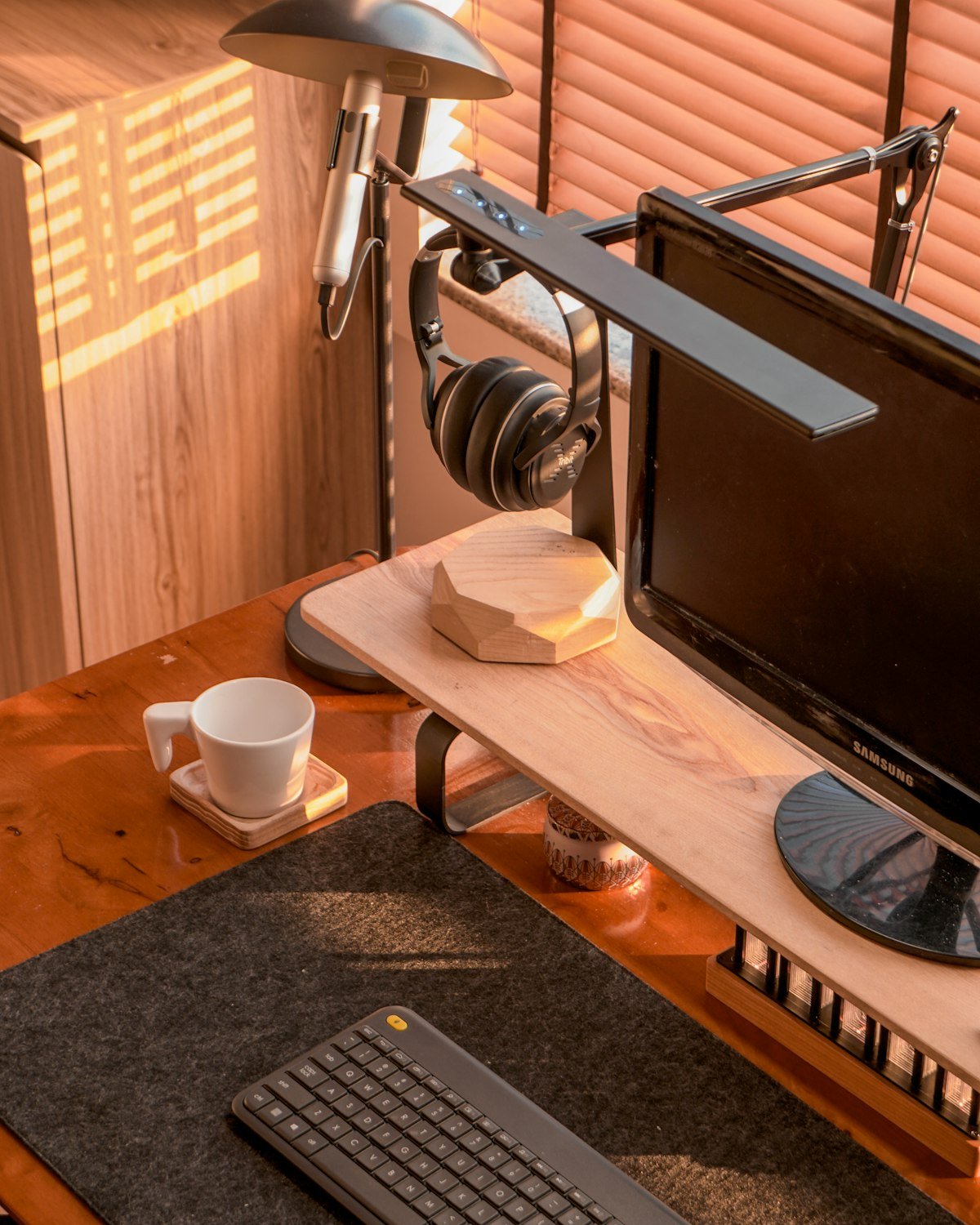
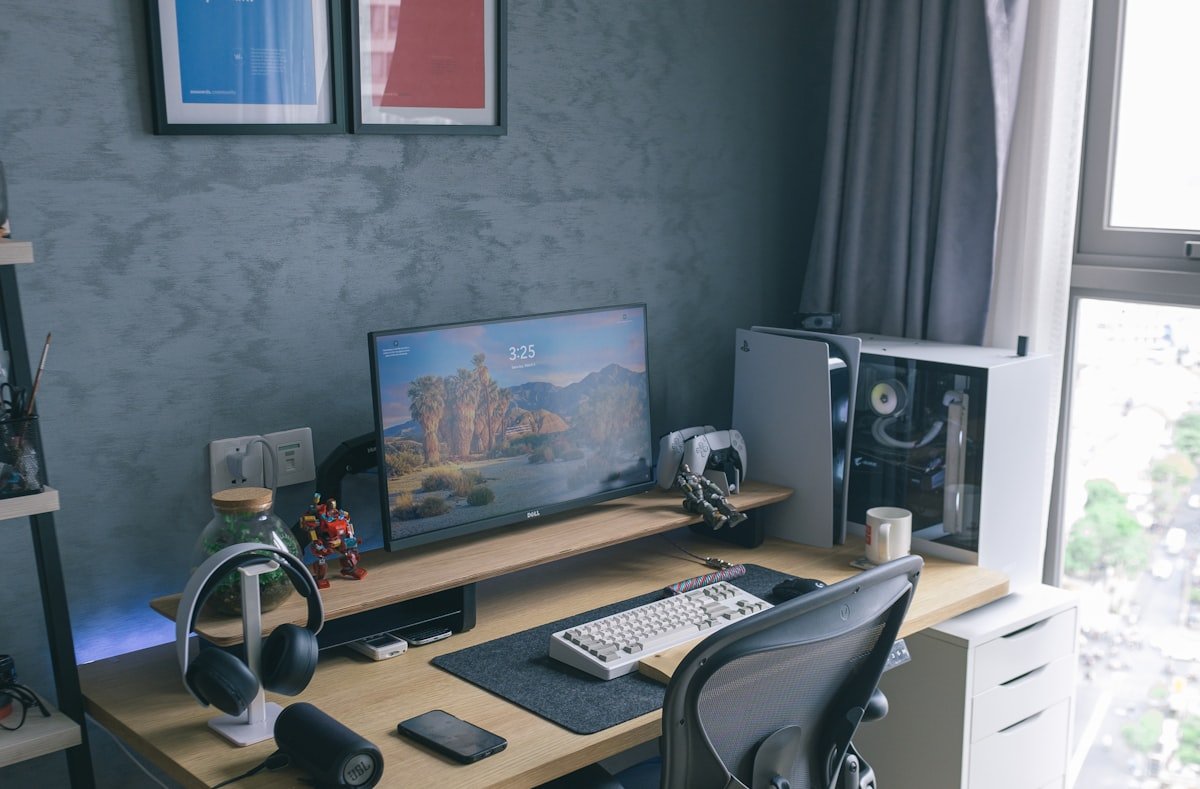
The aesthetic range is wide — from minimal text pages to fully designed spaces:

The point
A personal site is not a growth strategy. It’s closer to a filing cabinet that happens to be public — a place where the things you make accumulate instead of scrolling away.
The internet spent a decade convincing everyone that having an address of your own was quaint. It’s turning out to be the practical choice. Platforms come and go; a domain you renew every year does not.
Leave a Reply